Source Elbow Hand Warmer Muff for Office, Travel, and Outdoor Use
Find 30 elbow hand warmer muff options for office, travel, and outdoor use. Compare features like battery capacity, temperature control, and material to select the best fit for your needs; compare the available evidence and request quotations based on your requirements.
Key considerations
Products List






Comprehensive Sourcing Guide
Elbow Hand Warmer Muff Sourcing Guide
Procurement teams evaluating elbow hand warmer muffs must first distinguish between passive thermal retention units and active electric heating variants, as the market presents distinct technical profiles. The observed product landscape includes PVC-based reusable packs designed for simple hand warmth, alongside electric models featuring lithium batteries and specific temperature controls. Buyers should verify whether the target item is a passive chemical or liquid-filled pouch or an active heated glove with integrated circuitry, as this distinction dictates the entire supply chain strategy and safety requirements.
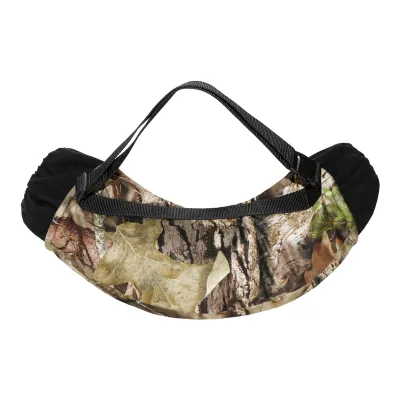
Understanding the specific application environment is critical before engaging suppliers, as the intended use case drives material selection and feature requirements. While some listings indicate suitability for office or home use, others target outdoor activities like hunting or camping, which demands higher durability and weather resistance. Sourcing teams must align the product's physical dimensions and thermal output with the user's specific needs, ensuring the selected model provides adequate coverage for the elbow and hand without compromising mobility or comfort during extended wear.
Product Scope and Observed Listing Signals
The current market data reveals a wide variance in product specifications, ranging from compact PVC hand warmers to larger heated glove assemblies with distinct model numbers. Buyers will encounter items described as promotional hot packs with simple packaging, as well as complex electric units featuring specific battery capacities and temperature ranges. It is essential to scrutinize the listed model numbers and physical dimensions, as the observed data includes both small 9.5x8.4cm units and larger packages measuring up to 56x52x45 cm, indicating significant differences in capacity and intended user experience.
Price and minimum order quantity signals further complicate the sourcing landscape, with observed ranges spanning from minimal entry-level costs to premium pricing tiers. The minimum order quantities fluctuate dramatically, with some suppliers requiring as few as 200 pieces while others demand orders up to 10,000 units. Procurement professionals must carefully map these commercial terms against their volume requirements, noting that lower MOQs often correlate with standard, off-the-shelf designs, whereas higher volume commitments may unlock customization options for branding and specific technical configurations.
Technical Specifications to Verify
Technical due diligence requires a rigorous verification of power sources and thermal management systems, particularly for electric variants claiming specific temperature outputs. Buyers must confirm the presence and capacity of internal batteries, as observed listings cite lithium batteries with capacities such as 2200mAh, which directly influence runtime and heating consistency. Additionally, the temperature control mechanisms, including manual switches and specific operating ranges like 45℃ to 55℃, must be validated to ensure the product delivers safe and effective warmth without risking thermal injury to the user.
Material composition and physical construction are equally critical, as the durability of the product depends heavily on the quality of the outer shell and internal components. Sourcing teams should verify that materials like PVC are used appropriately for liquid-filled units, while electric models require robust insulation and durable fabrics suitable for the intended environment. The presence of specific features such as needle detection systems and customized logo capabilities must be confirmed against the actual product samples to ensure the final goods meet the precise functional and aesthetic requirements of the end-user.
Compliance and Safety Documentation
Safety compliance is non-negotiable for electric heating products, requiring suppliers to provide valid certification documents that verify electrical safety and material toxicity. The observed market data includes references to CE and RoHS certifications, which are essential for ensuring that the lithium batteries and heating elements meet international safety standards. Procurement teams must request current test reports and certification certificates for every batch, ensuring that the specific model number and manufacturing origin align with the documented compliance status to avoid regulatory hurdles in the target market.
Material safety and chemical composition also demand strict verification, especially for products containing liquid fillers or specific polymer blends. Buyers should insist on documentation confirming that all materials, including the PVC and metal discs, are free from harmful substances and meet relevant chemical safety standards. This verification process extends to the packaging materials, ensuring that items like OPP bags or PP bags do not introduce contaminants, and that the final product remains safe for prolonged skin contact during winter use or outdoor activities.
Cost Drivers and Commercial Terms
The total cost of ownership for elbow hand warmer muffs is heavily influenced by the complexity of the heating mechanism and the customization level required. Electric models with lithium batteries and precise temperature controls inherently carry higher unit costs compared to passive PVC packs, while custom branding and specialized packaging add further expenses. Buyers must analyze the trade-off between unit price and feature set, recognizing that lower prices often correspond to standard, unbranded items with minimal customization options and basic packaging configurations.
Commercial terms such as minimum order quantities and lead times vary significantly based on the product type and supplier capacity. The observed data indicates MOQs ranging from 200 to 10,000 pieces, which can drastically impact the initial investment and inventory risk for the buyer. Procurement teams should negotiate flexible terms that align with their sales forecasts, considering that higher volume orders may reduce unit costs but increase storage requirements, while smaller orders might necessitate higher per-unit pricing and longer lead times for production setup.
Supplier Qualification and Quality Control
Supplier qualification for this category requires a thorough assessment of manufacturing capabilities, particularly regarding the integration of electronic components and material processing. Buyers should verify that suppliers have established quality control protocols for battery assembly and heating element testing, as these are critical failure points in electric hand warmers. It is advisable to request evidence of past production runs for similar models, ensuring the supplier has the technical expertise to maintain consistency in battery performance and thermal output across large batches.
Quality control procedures must extend to the final product inspection, covering both functional performance and aesthetic consistency. Sourcing teams should implement pre-shipment inspections that verify the correct model number, accurate dimensions, and proper functioning of temperature controls and battery indicators. Additionally, visual checks for material defects, such as leaks in liquid-filled units or fraying in heated gloves, are essential to ensure the product meets the high standards expected for winter accessories and outdoor gear.
Long-Term Procurement Checks
Sustainable procurement strategies for elbow hand warmer muffs involve establishing clear performance benchmarks and monitoring supplier adherence over time. Buyers should define specific metrics for battery longevity, heating efficiency, and material durability, requiring regular performance reports from the supplier to ensure the product continues to meet these standards. This ongoing monitoring helps identify potential quality drifts early, allowing for corrective actions before significant inventory issues arise or customer satisfaction is compromised.
Building a resilient supply chain also requires maintaining open communication channels and fostering a collaborative relationship with the supplier regarding future product iterations. As technology evolves, suppliers may introduce improved battery technologies or more efficient heating elements, and buyers should stay informed about these advancements to maintain a competitive edge. Regular reviews of the supplier's capacity to handle volume fluctuations and their ability to adapt to changing market demands will ensure a stable and reliable source for these essential winter accessories.
FAQs
What materials are used in the hand warmer muff?
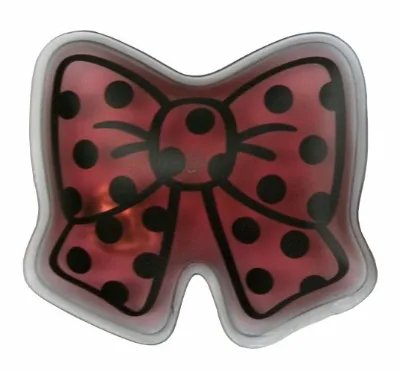
The hand warmer muff is constructed from PVC material, liquid, and a metal disc. This combination ensures durability and effective heat retention. The PVC outer layer provides a smooth finish, while the internal components facilitate consistent warmth. This material selection supports the product's reusable nature and suitability for winter use.
Can the hand warmer muff be customized with a logo?
Yes, the product accepts customized logos for branding purposes. Buyers can request specific designs to be applied to the muff. This customization option is available for both the promotional hot packs and the heated glove variants. It allows businesses to enhance brand visibility while providing functional winter accessories to their clients or employees.
What is the minimum order quantity for these products?
The minimum order quantity varies by product type. For the PVC hand warmer, the MOQ is 500 pieces. For the heated gloves, the MOQ is 200 pieces. These thresholds ensure efficient production runs. Buyers should verify the specific MOQ for their chosen model, as ranges can extend up to 10,000 pieces depending on the supplier.
Are the hand warmers reusable?
Yes, the promotional hot packs are explicitly designed to be reusable. The PVC construction and internal liquid mechanism allow for repeated heating and cooling cycles. This reusability makes them a sustainable choice for winter warmth. Buyers can utilize them multiple times for hand warming or hot massage applications without needing to replace them after a single use.
What certifications do the products hold?
The products hold CE and RoHS certifications. These certifications indicate compliance with European safety and environmental standards. The CE mark ensures the product meets health, safety, and environmental protection requirements. RoHS compliance confirms the restriction of hazardous substances. These credentials are essential for buyers targeting regulated markets in Europe and other regions requiring such standards.
Where are these hand warmers manufactured?
These products are manufactured in China. Specifically, origins include Guangdong and Jiangsu provinces. These regions are known for their robust manufacturing capabilities in consumer goods. Buyers can expect efficient production workflows and established supply chains. The location data helps in assessing logistics costs and lead times for international shipping to various global destinations.